What are the 5 invertebrate classes?
The Invertebrates unit explores six groups of invertebrates— poriferans (sponges), cnidarians (such as sea jellies and corals), echinoderms (such as sea urchins and sea stars), mollusks (such as octopuses, snails, and clams), annelids (worms), and arthropods (such as insects, spiders, and lobsters).
What are the 8 classifications of invertebrates?
The most familiar invertebrates include the Protozoa, Porifera, Coelenterata, Platyhelminthes, Nematoda, Annelida, Echinodermata, Mollusca and Arthropoda. Arthropoda include insects, crustaceans and arachnids.
What is a invertebrate classification?
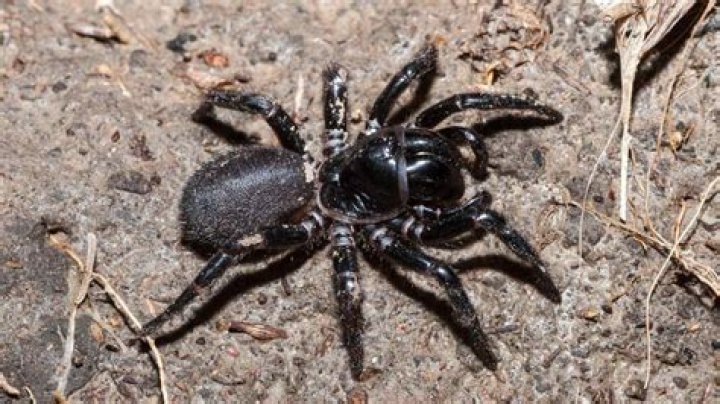
Animals can be classified as either vertebrates or invertebrates. Invertebrates are animals that don’t have a backbone. Some have soft bodies, like worms, slugs and jellyfish. Other invertebrates, like insects, spiders and crustaceans, have a hard outer casing called an exoskeleton.
What are the 7 groups of invertebrates?
What is your favorite group of invertebrate animals?
- Sponges.
- Cnidarians.
- Platyhelminthes.
- Echinoderms.
- Mollusks.
- Nematodes.
- Arthropods.
- Annelids.
What are the 4 types of invertebrates?
There are mainly four kinds of invertebrates as listed below by Phylum.
- Phylum Mollusca.
- Phylum Annelida.
- Phylum Arthropods.
- Phylum Coelenterata.
What are the 3 main groups of invertebrates?
3 Familiar Groups of Invertebrates There are three main groups that may be very familiar to you: insects, arachnids and crustaceans.
What are the 4 main groups of invertebrates?
How do you classify vertebrates and invertebrates?
Vertebrates are animals that have a backbone inside their body. The major groups include fish, amphibians, reptiles, birds and mammals. Invertebrates don’t have a backbone. They either have a soft body, like worms and jellyfish, or a hard outer casing covering their body, like spiders and crabs.
What are the nine classes of invertebrates?
Nine phyla represent the list of invertebrates: Porifera, Cnidaria, Platyhelminthes, Nematoda, Rotifera, Mollusca, Annelida, Arthropoda, & Echinodermata.
What are the 4 classes of arthropods?
The phylum Arthropoda is commonly divided into four subphyla of extant forms: Chelicerata (arachnids), Crustacea (crustaceans), Hexapoda (insects and springtails), and Myriapoda (millipedes and centipedes).
What are the 4 major characteristics of invertebrates?
Invertebrates share four common traits:
- They do not have a backbone.
- They are multicellular.
- They have no cell walls, like all other animals.
- They reproduce by two reproductive cells, or gametes, coming together to produce a new organism of their species.
What are the 4 characteristics of invertebrates?